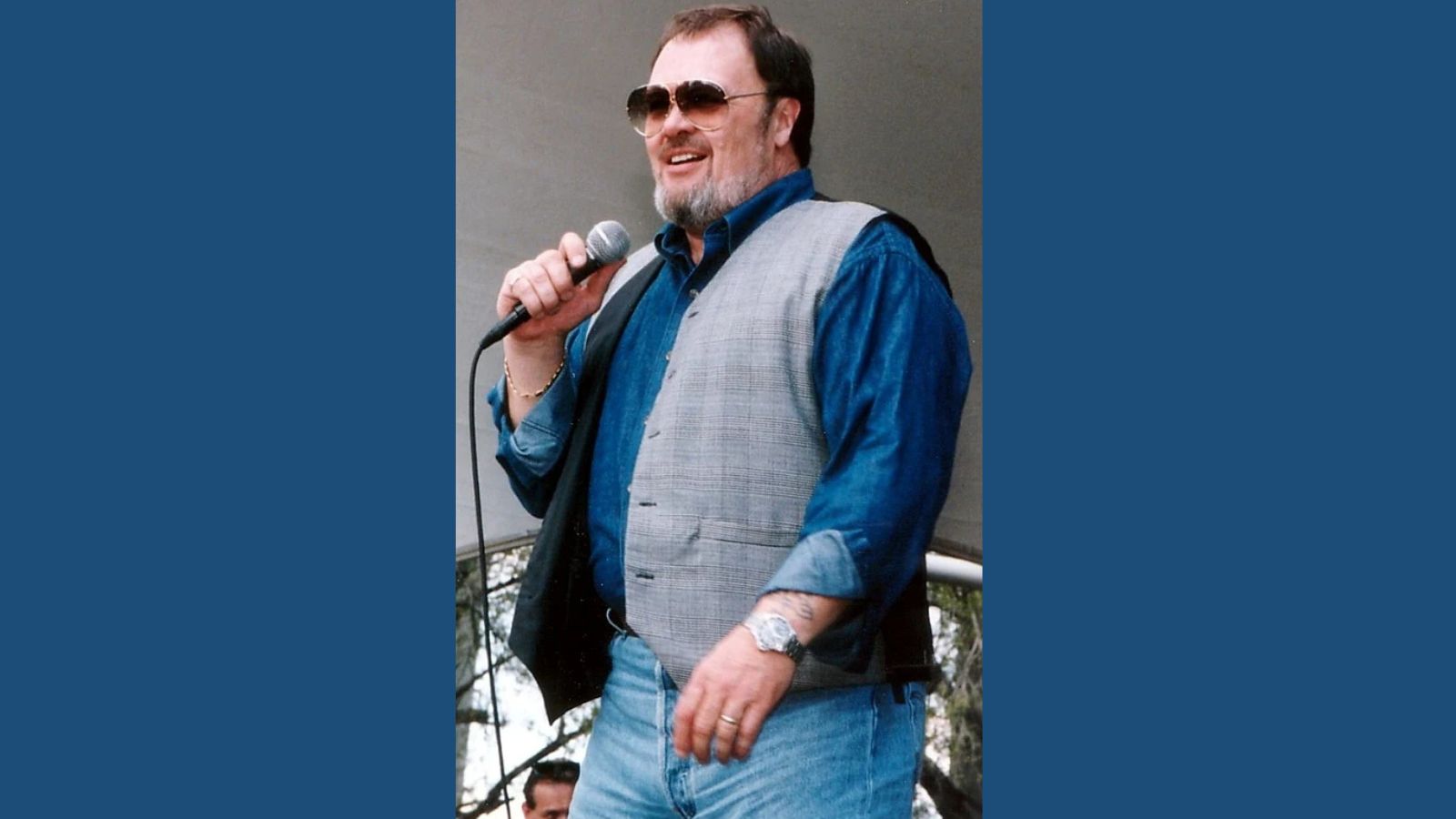


New York: David Clayton-Thomas, the lead singer of Blood, Sweat & Tears whose husky, high-strung tenor on 'Spinning Wheel', 'And When I Die' and other hits helped make the so-called "brass rock" band one of the most popular acts of the late 1960s, has died at 84.
Spokesperson Eric Alper said Clayton-Thomas died peacefully on Wednesday at St. Michael's Hospital in Toronto. Alper did not cite a specific cause of death.
Clayton-Thomas was a one-time street fighter and petty thief from Canada who briefly became a rock superstar, fronting the nine-member group that sold millions of records and won two Grammys for 'Blood, Sweat & Tears', which beat the Beatles' 'Abbey Road' for Album of the Year at the 1970 Grammy Awards. Calling out amid a jazzy parade of horns, keyboards and percussion, Clayton-Thomas' urgent shout became one of the signature voices of the era, preaching love on the Motown cover 'You've Made Me So Very Happy', leaving a lasting mark on Laura Nyro's 'And When I Die', and bringing a cool swagger to his own 'Spinning Wheel'. Blood, Sweat & Tears also helped inspire a wave of horn-led bands, including Chicago, the Electric Flag and Ten Wheel Drive.
"A lot of the guys (in Blood, Sweat & Tears) would play a Broadway show matinee, then go up to Harlem and play Latin music or R&B and funk at night, or come down to the Village and play pure jazz the next night," Clayton-Thomas told bestclassicbands.com in 2023. "I was just a blues player: give me three chords and I've got a song."
At its peak, Blood, Sweat & Tears' appeal was so broad that it helped lead to the band's downfall.
Hip enough to perform at the 1969 Woodstock festival, where they were among the highest-paid acts, the band was also well-known enough to tour Eastern Europe the following year on behalf of the US State Department. When Clayton-Thomas and other band members denounced the Communist regimes on the other side of the Cold War, Rolling Stone's David Felton wrote that "the State Department got its money's worth."
The band had practical reasons for going along with the government: Clayton-Thomas, who had allegedly wielded a gun at his girlfriend, had been denied a green card and faced deportation. But after topping the charts in 1970 with the album 'Blood, Sweat & Tears 3', their appeal soon faded. A burned-out Clayton-Thomas left the group in 1972, and neither he nor the remaining musicians ever regained their former stature. Blood, Sweat & Tears continued recording over the next few years and even briefly reunited with Clayton-Thomas, who went on to release more than a dozen solo albums and tour on his own for decades.