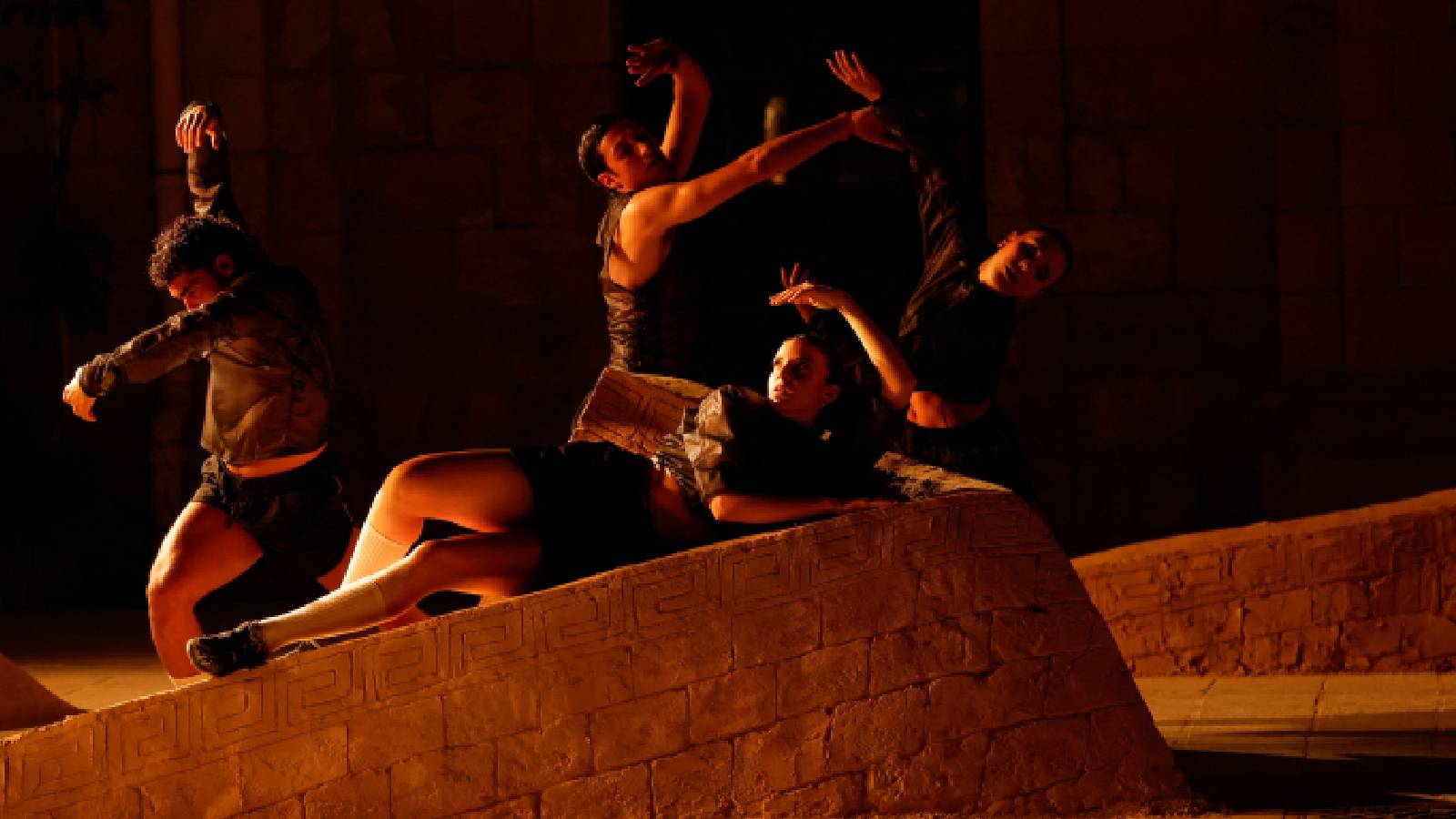


A sand sculpture, and a dance that draws the minds of audiences to another dimension. Here the sculpture and the dance are not separate. In Labyrinth, premiering at the Malta International Arts Festival this June, the two art forms come together to create a living, ever-changing landscape inspired by one of mythology's most enduring stories.
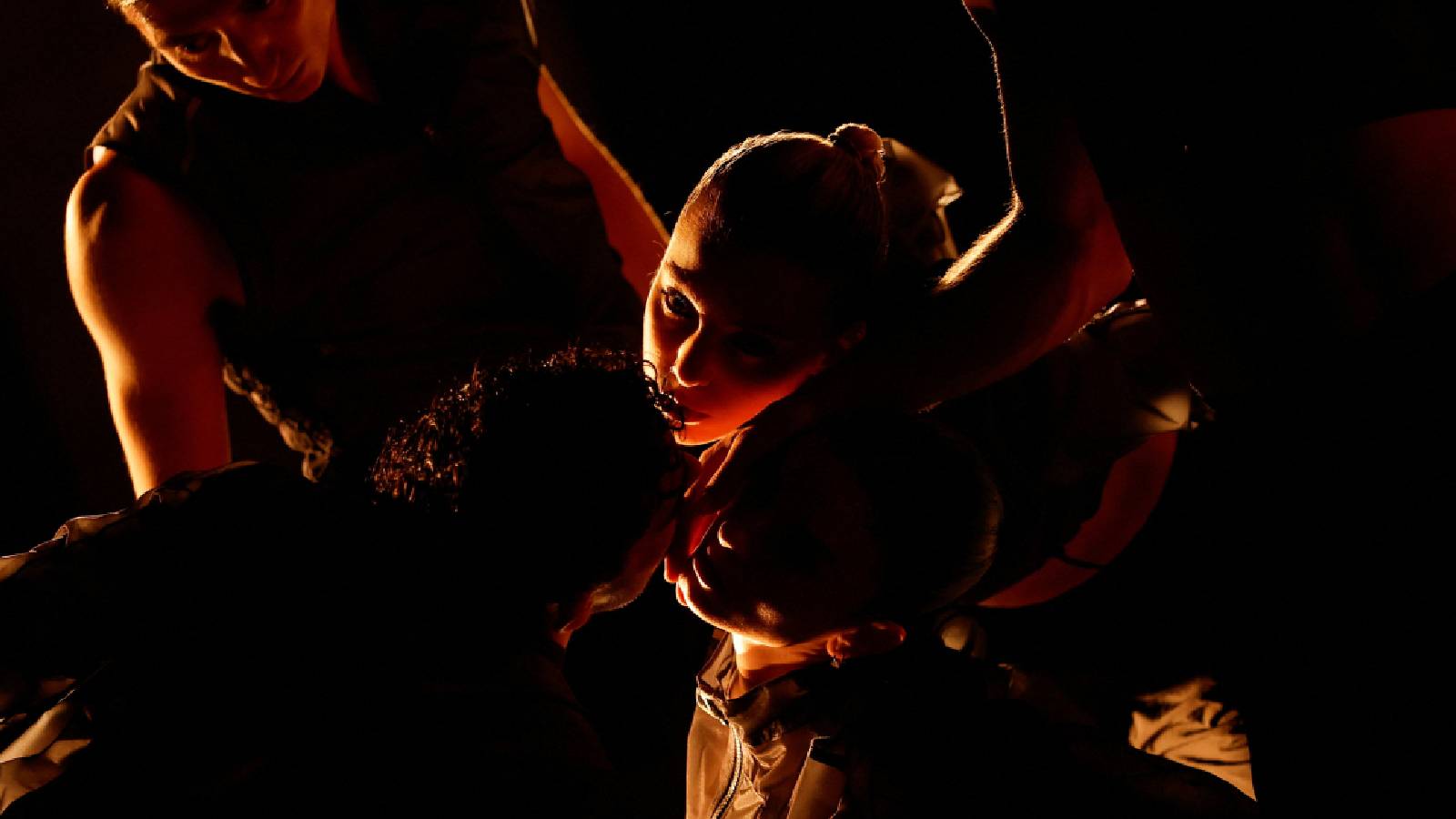
Created by ŻfinMalta Artistic Director Matthew William Robinson in collaboration with Spanish sand sculptor Oscar Rodríguez, Labyrinth draws inspiration from the legendary maze built by Daedalus to imprison the Minotaur. Here the artists are not simply retelling the legends and myths. It explores the movement and expressions.
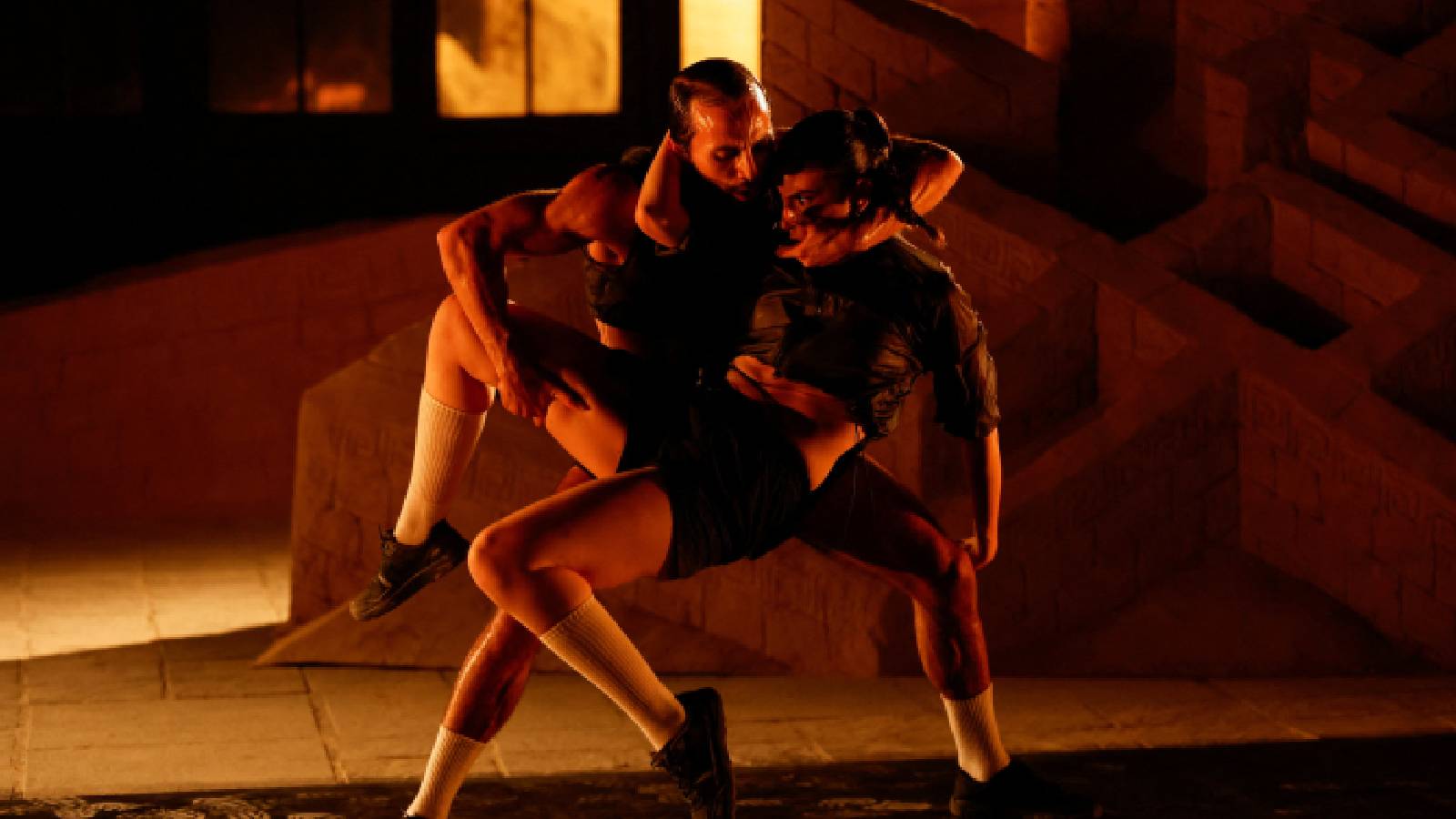
The contemporary dance is striking and sculpture stands a collaborator; it communicates to the audience along with the dance moves. As dancers move through and around the structure, they gradually reshape it. Footsteps leave traces, surfaces crumble and new forms emerge. The sculpture is not a static backdrop but an active participant in the choreography, changing with every gesture and interaction.
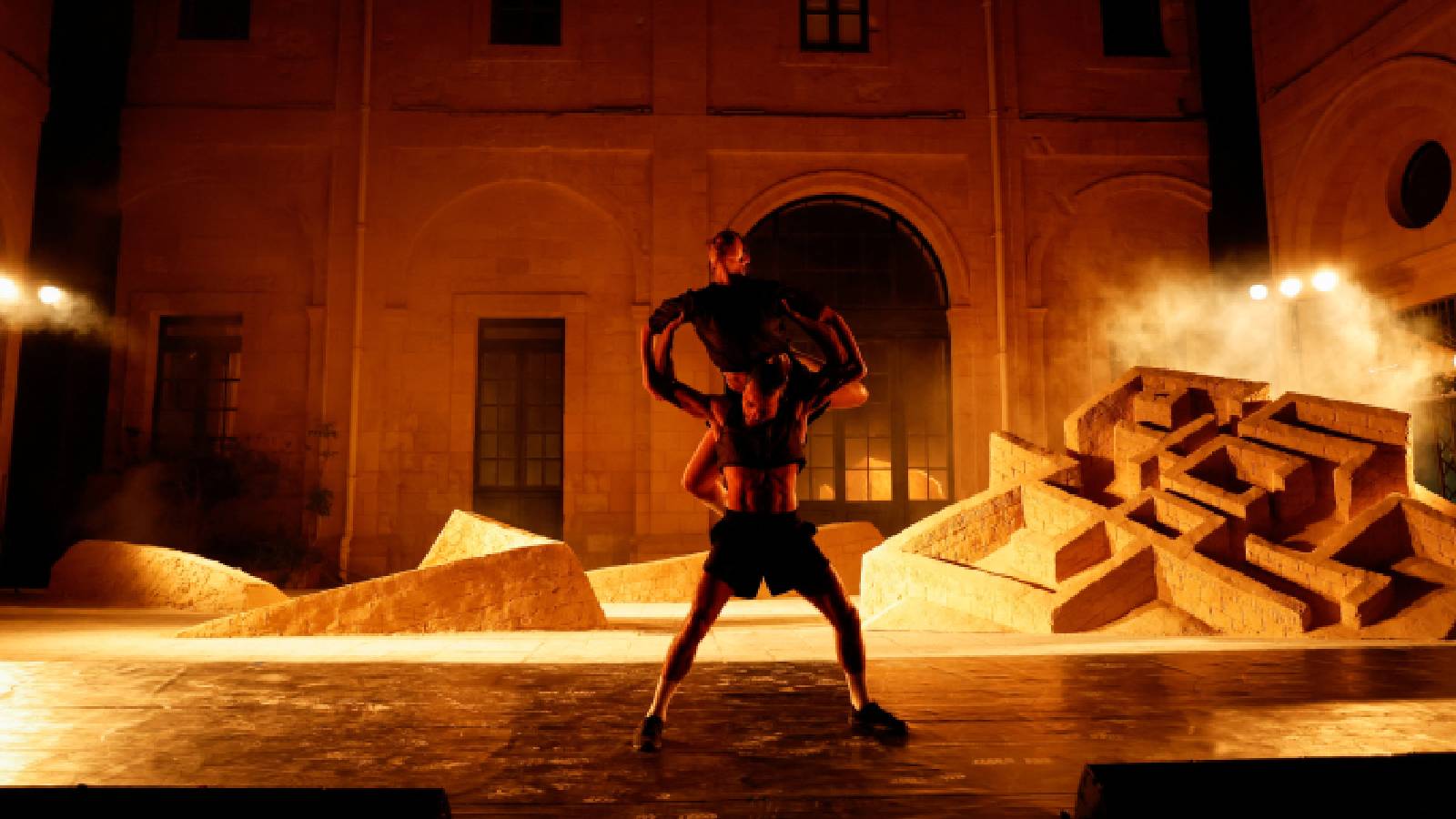
This transformation becomes part of the choreography - a metaphor for impermanence and metamorphosis. As everything changes by the passage of time the performance evolves through the dancers' presence. What begins as a carefully crafted form slowly erodes and reforms, creating a visual metaphor for change, growth and renewal.
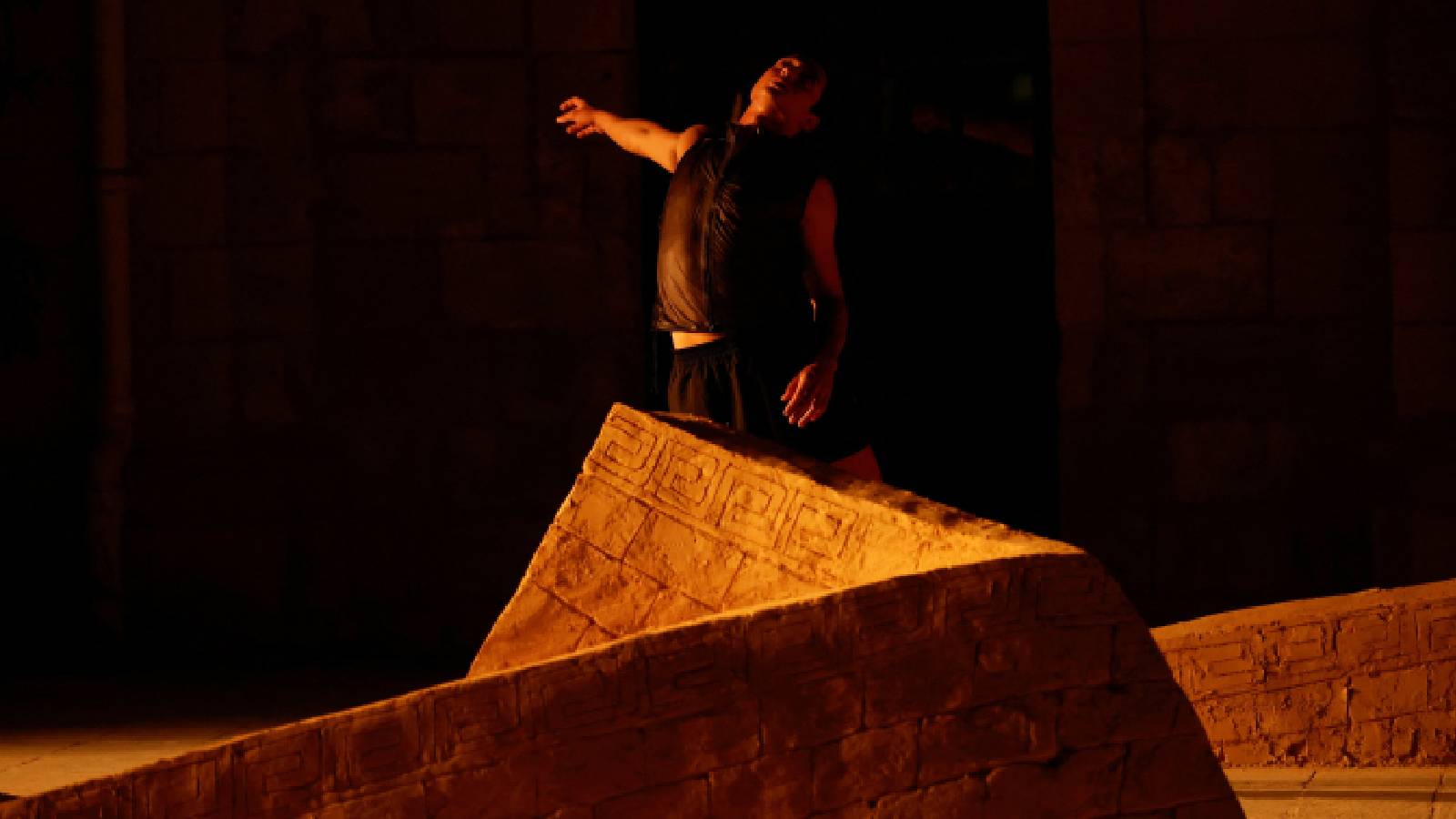
Here, above the boundaries between Visual art and Performing art is blurring. The audience will be invited to a realm where space is something metaphorical. Even though the mythology provides the foundation, yet the experience feels distinctly contemporary, raising questions about how we navigate our environments and how those environments, in turn, shape us.