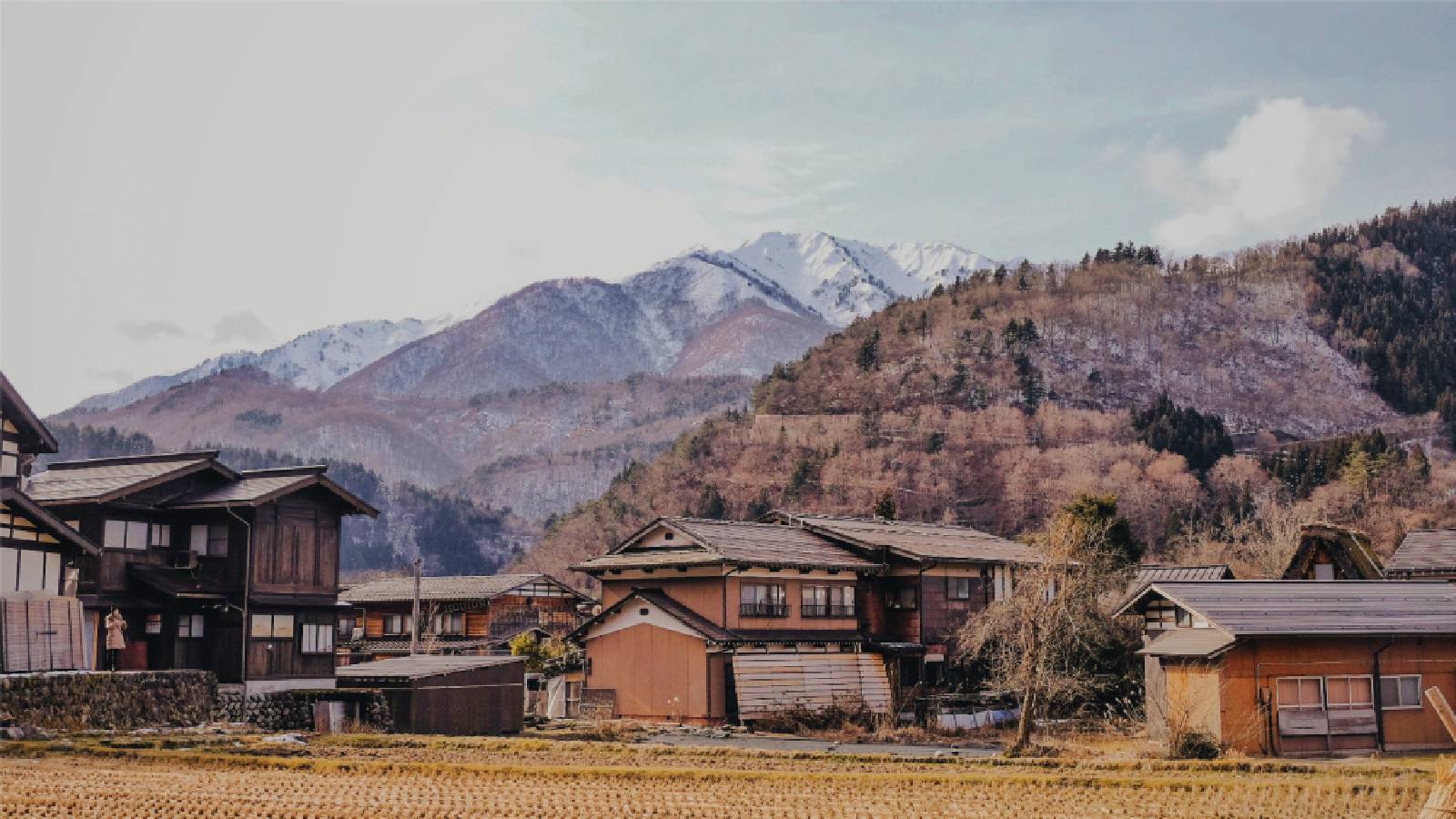


In Japan, some of the country's most affordable homes come with a history many people would rather avoid.
Known as Jiko Bukken — or "misfortunate properties" — these are homes where a murder, suicide, accidental death, or an undiscovered solitary death has occurred. For decades, such properties have carried a social stigma that made them difficult to rent or sell. Today, however, a combination of demographic change, rising property prices and shifting attitudes is transforming them into an unexpected segment of Japan's housing market.
The phenomenon is closely tied to one of the country's most pressing social challenges: an ageing population and a growing number of elderly people living alone.
In some cases, an individual's death goes unnoticed for days or even weeks. Neighbours may only realise something is wrong when rent payments stop, mail accumulates, or a familiar face disappears from daily routines. By the time authorities discover the body, the property may already have become associated with tragedy.
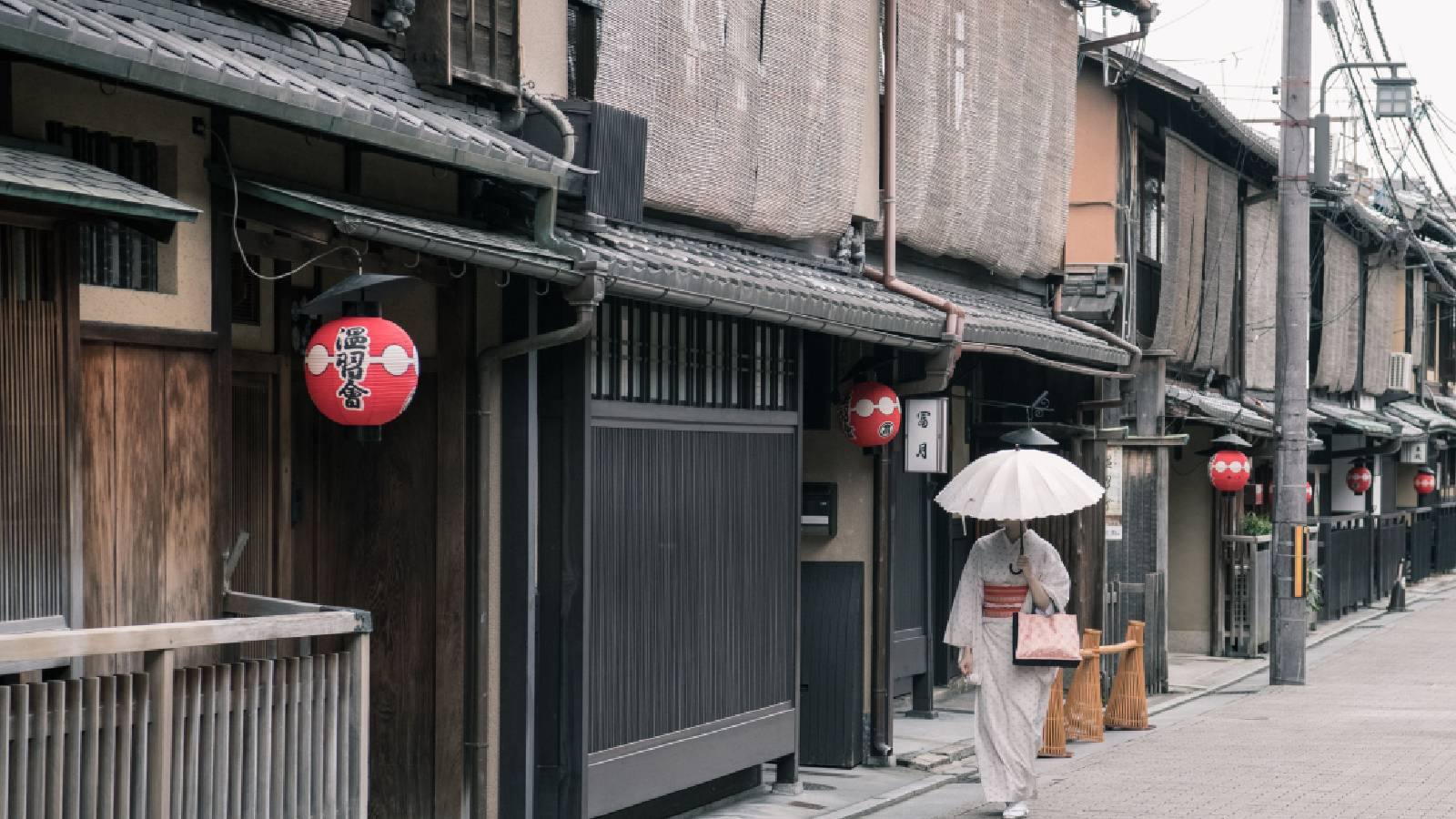
According to government data, nearly 21,900 deaths in 2024 were not discovered for eight days or longer. As Japan's population continues to age, experts expect such cases to increase, creating more properties that fall into the Jiko Bukken category.
The stigma surrounding these homes is rooted partly in Japan's cultural and religious traditions. Shinto beliefs hold that people who die with strong regrets, grief, or unresolved emotions may leave behind spiritual traces. While many modern Japanese view such ideas symbolically rather than literally, the association with death often creates psychological discomfort for prospective tenants.
As a result, some property owners and brokers have turned to an unusual solution: hiring so-called "ghost investigators" or spiritual consultants.
These specialists may inspect homes, perform cleansing rituals, or document their findings to reassure potential occupants that the property is safe. Their role is often less about proving or disproving paranormal activity and more about helping remove the emotional burden attached to a home's past.
The rise in such services coincides with growing pressure in Japan's housing market. Construction costs, labour shortages and increased interest from overseas investors have pushed property values higher in many areas. Homes carrying a stigma are often sold or rented at significant discounts, making them attractive to budget-conscious buyers.
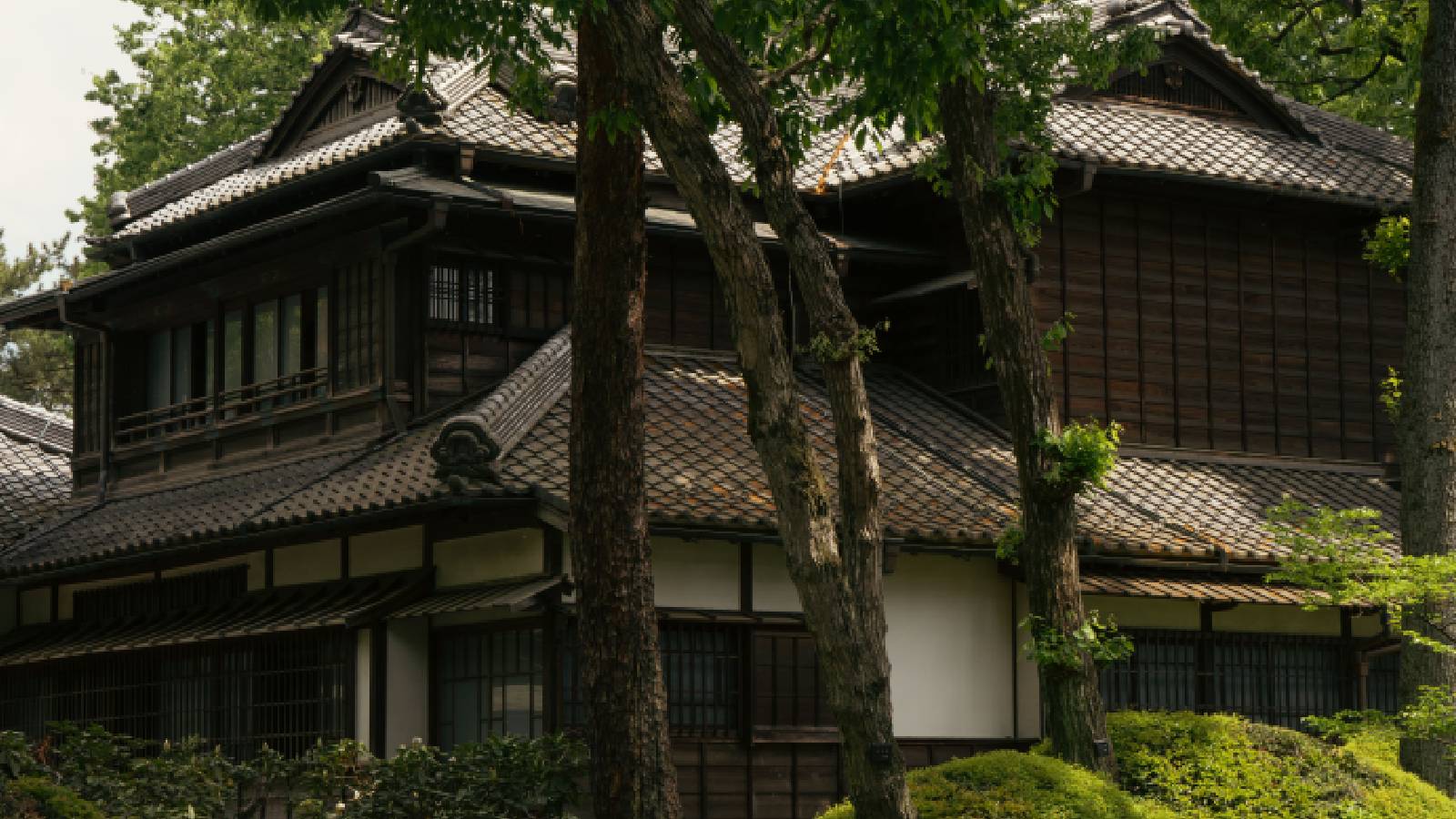
Recognising the challenge, Japan's government introduced guidelines in 2021 aimed at reducing the long-term impact of isolated deaths on property values. Under the recommendations, homes can in many cases lose their "misfortunate property" status three years after a solitary death, potentially making it easier to attract tenants.
However, property owners and agents are still required to disclose a home's history in certain circumstances, particularly when prospective buyers or renters ask about it.
Far from avoiding these homes, a growing number of younger buyers, foreign residents and investors are now viewing them as opportunities. For many, lower prices outweigh concerns about a property's past.
With Japan's demographic trends showing little sign of reversing, real-estate experts believe the number of Jiko Bukken properties will continue to grow. What was once considered an untouchable corner of the housing market is increasingly becoming a reflection of modern Japan itself — where loneliness, tradition and economics intersect in unexpected ways.