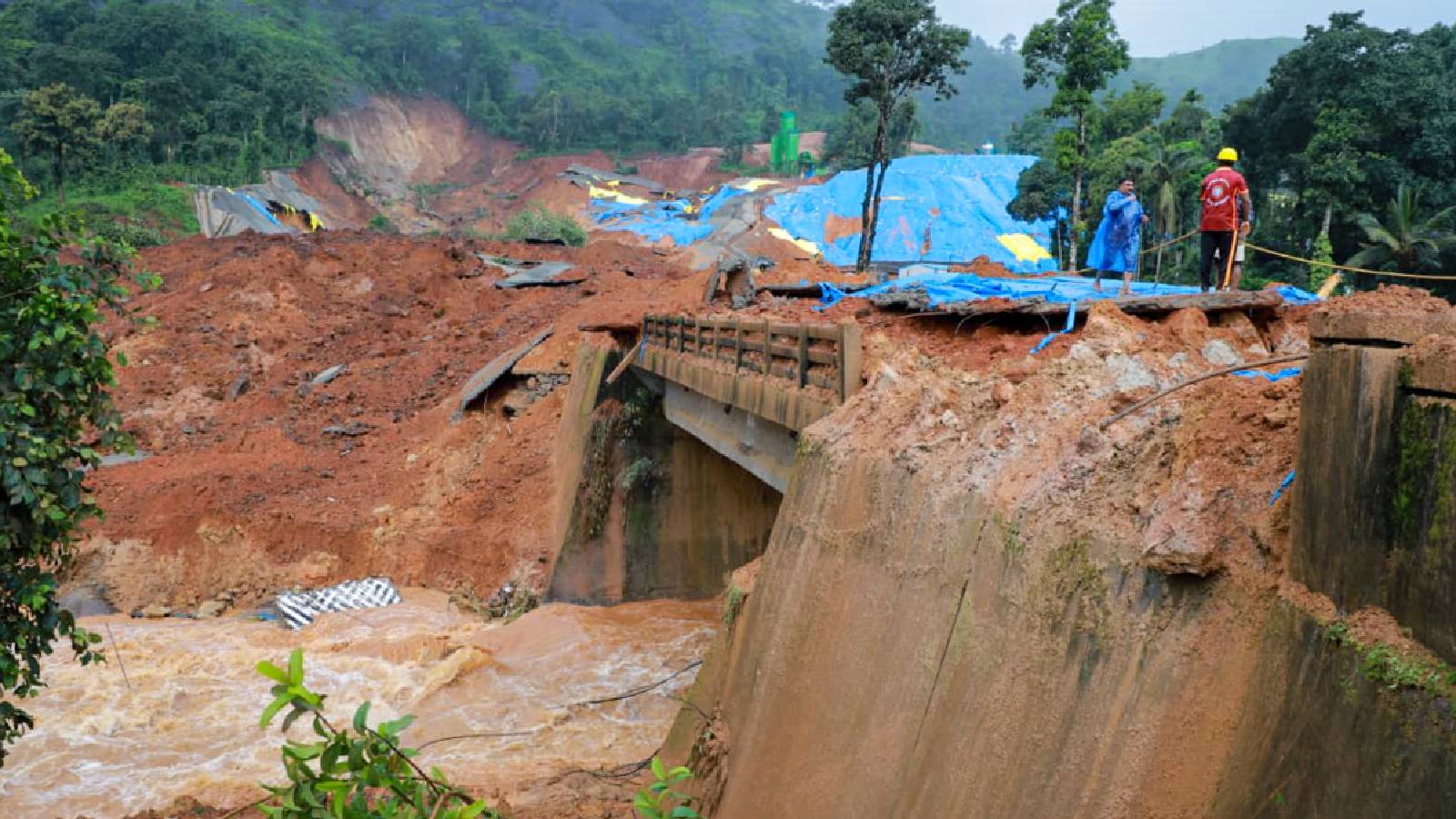


From 2018 onwards, rain has no longer been seen as a symbol of romance or poetry in Kerala. Instead, it has become a source of fear and uncertainty for its people. In the following years, Kerala was witnessing monsoon tragedies which was not something they were familiar with.
Floods and landslides have been a recurring reality in Kerala since 2018, but the years that followed taught the state a new meaning of survival.
Schools were suddenly disaster relief camps. ‘Red alert',’ ‘orange alert’ and IMD predictions became common terms during the monsoon.
Young people who were dismissed as lazy and jobless suddenly emerged as rescuers and superheroes. Communities and religious groups were involved actively in rescue missions and helped each other in survival. Even as people rebuilt their lives, facing floods became an annual challenge for Keralites.
The 2018 floods were among the deadliest in Kerala’s history. Devastating floods and landslides struck the state again in the years that followed. Last year, in Wayanad district, two villages - Mundukkai and Chooralmala, were wiped off due to landslides.
According to the Meteorological department, the disaster that struck in the middle of August changed the ecosystem, both on land and water, which adversely affected the biodiversity, livelihood and public infrastructure. While 483 human lives and thousands of livestock were lost, the disaster incurred immense losses to the State’s infrastructure, as many roads, bridges and thousands of houses were damaged /washed away. Large quantities of agricultural produce were lost putting the livelihood of farmers at risk.
The floods also sparked many difficult questions about development. It highlighted the importance of considering environmental impacts before pursuing large-scale projects in the name of progress. It was widely suggested by many experts to follow an adaptive development.
The flood was very unprecedented and rainfall in hilly districts were three times more, and the State was also not prepared for such a mega scale, as it has not experienced a flood of this magnitude, except the recorded one in 1924. Kerala State Disaster Management Authority called the flood of 2018, ‘Flood of this Century’, which hit Kerala continuously from August 8th to 18th.
As Kerala has become ‘flood prone’ the committee appointed by KSDMA, put forward some suggestions. The operations of the hydel power stations so as to maximise the power generation, thereby avoiding the opening of the spillways to control the flood situations.
Institutionalising a proper strategy for opening of the major dams with advance information to the concerned district authorities, local bodies and public, through all sources of media was another suggestion. It also recommended an expert committee, to be constituted, to look into the land-use pattern in hilly areas. It also suggested the Government should regulate people from constructing huge houses and building in the environmentally fragile areas.
A research study by IIT, Gandhinagar, has concluded that the flood in Kerala is a combined impact of extreme rainfall and reservoir storage and that reservoir operations need to be improved using skillful forecasts of extreme rainfall.
According to the Rajiv Gandhi Institute of Development Studies, landslides are normally triggered by heavy rains, earthquakes, or rise in ground water and undercutting by rivers. In Kerala, landslides commonly occur in localised areas of the Western Ghats region, where the slope is steep and the soil is over saturated as a result of prolonged rainfall. These events vary from those affecting a parcel of land to the larger ones with much causality.
In their study it showed that Wayanad and Idukki districts are more prone to landslides and they happen mainly due to lack of scientific designs in construction of roads. The soil in the highland region like Idukki and Wayanad is slightly reddish, silty and the cohesive strength is less. Hence, when the soil is saturated, it has a tendency to swell. By making an artificial cutting of more than 2 to 3 meters, road structures come down, thereby inducing a possible landslide.
Then came another monsoon tragedy – the Wayanad landslide in July 2024. According to the studies by the Centre for Disaster Management. The disaster caused 298 fatalities, 631 hospitalizations (including 37 seriously injured), and 32 missing persons. Seventeen families were completely lost. Over 3,000 individuals were displaced. 80 hectares of forest were severely damaged, with extensive destruction in areas like Mundakkai, Nilambur Kovilakam, and Baderi. This loss of forest cover and disruption of wildlife habitats significantly impacted biodiversity. The estimated economic loss was ₹1,202 crore. 1,685 buildings, including homes and infrastructure, were damaged, severely disrupting transportation and communication networks.
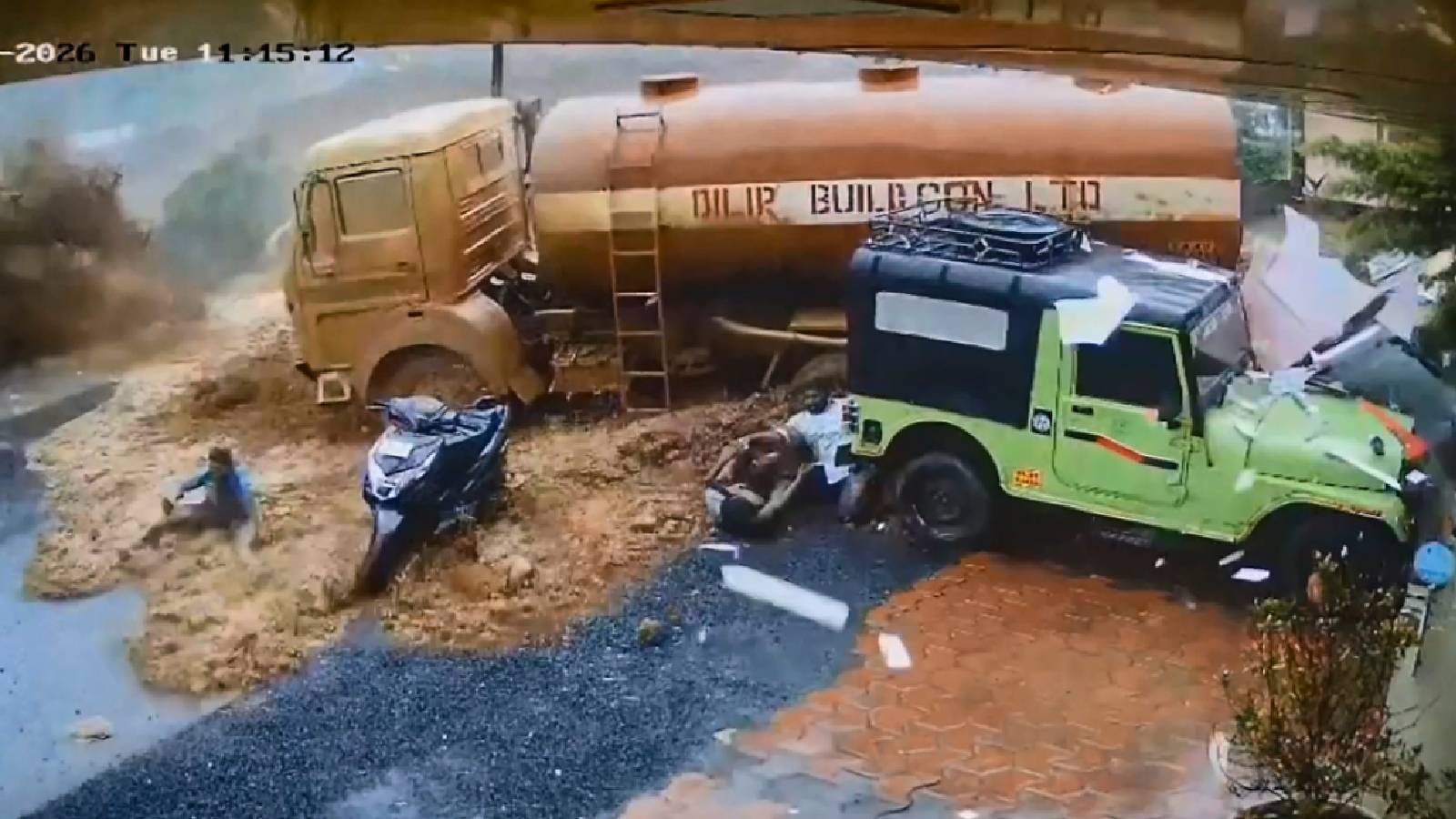
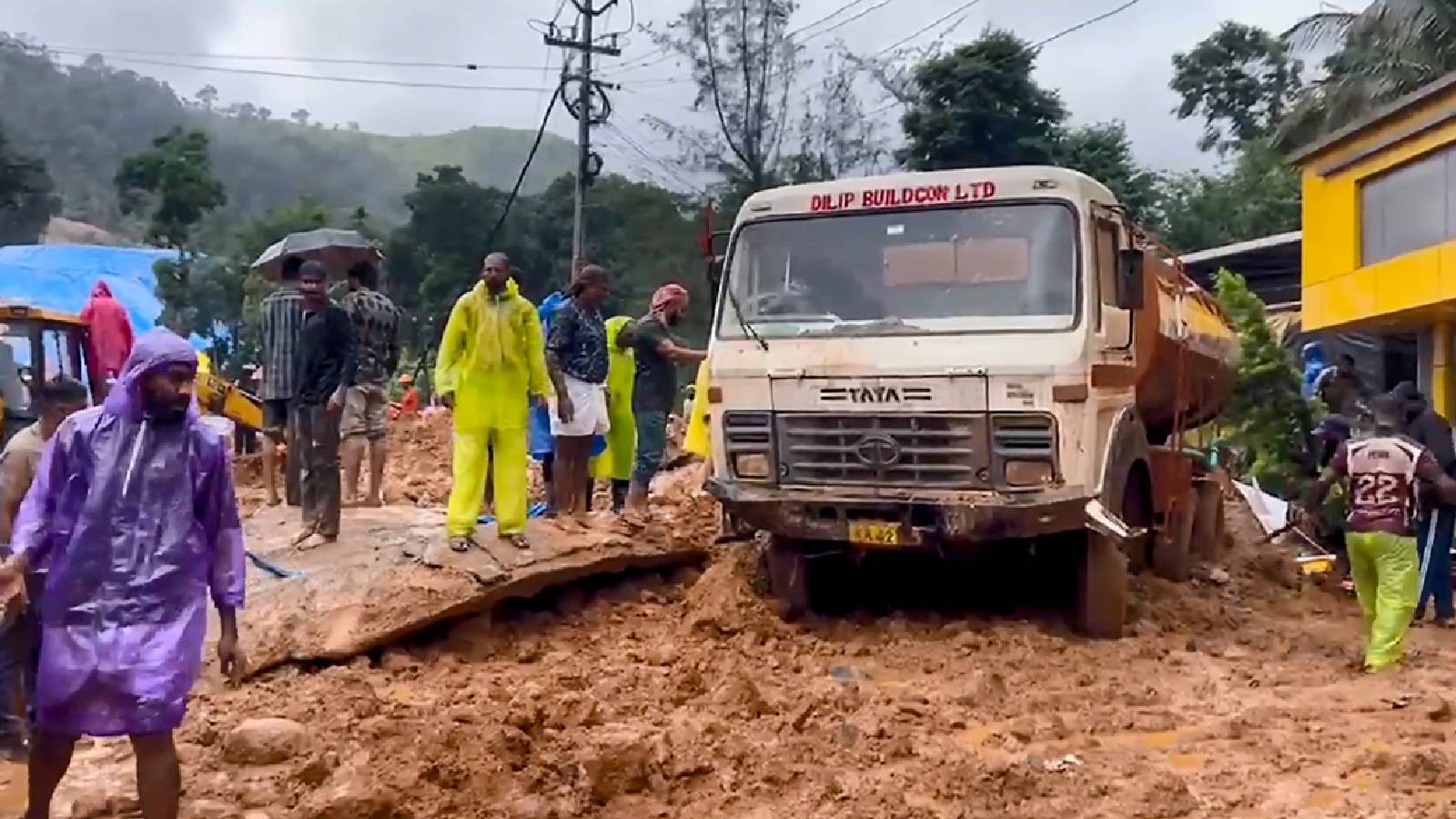
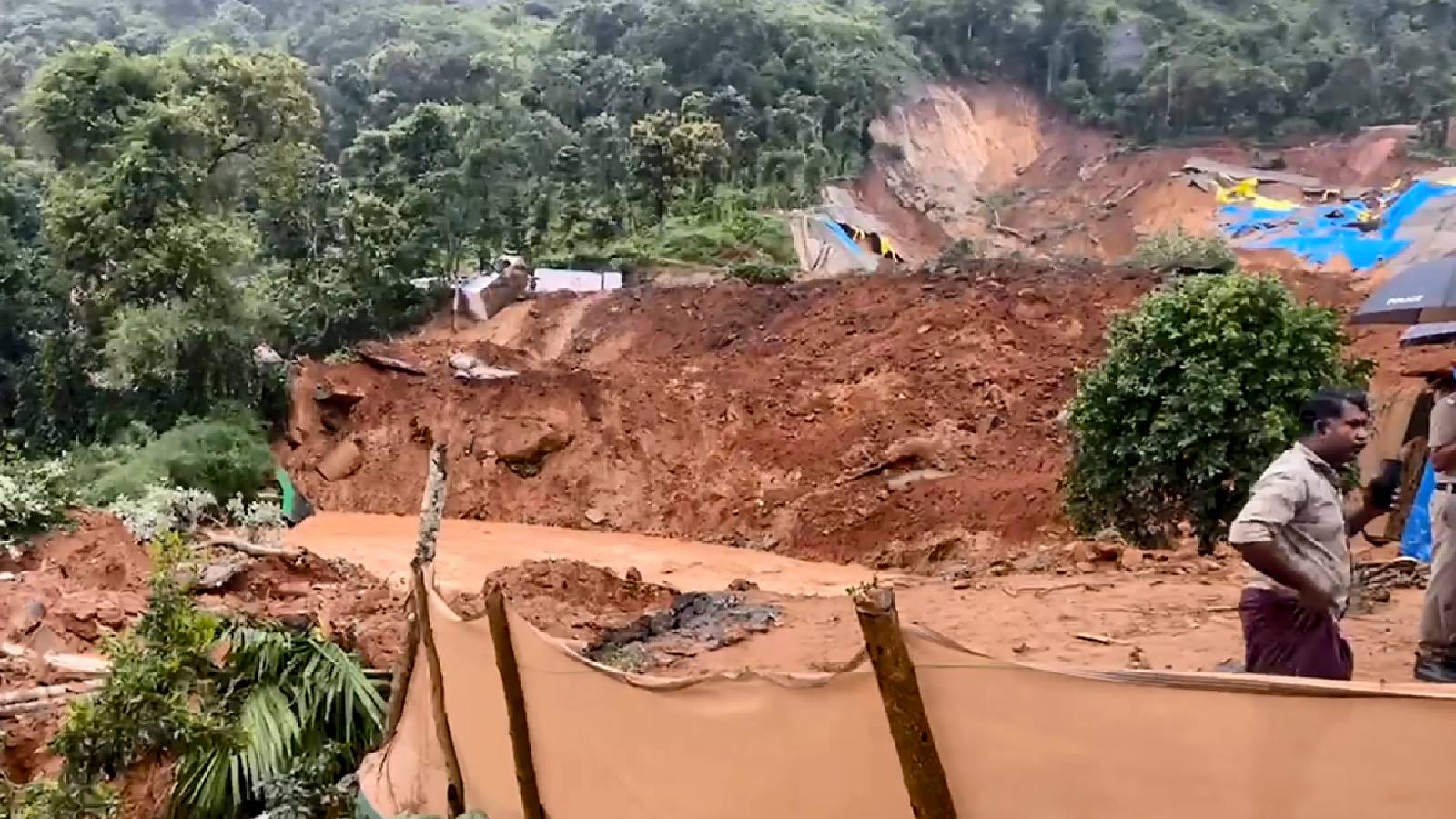
Kerala witnessed yet another landslide tragedy on July 7, 2026 in Wayanad’s Meppadi. Three people were killed and a rescue operation to find five missing migrant labourers is underway.
Some disasters are inevitable leaving people with no choice but to rebuild their lives. Chief Minister VD Satheesan, described the Meppadi landslide as a "man-made" disaster, arguing that it could have been avoided with proper planning, oversight and safety measures.