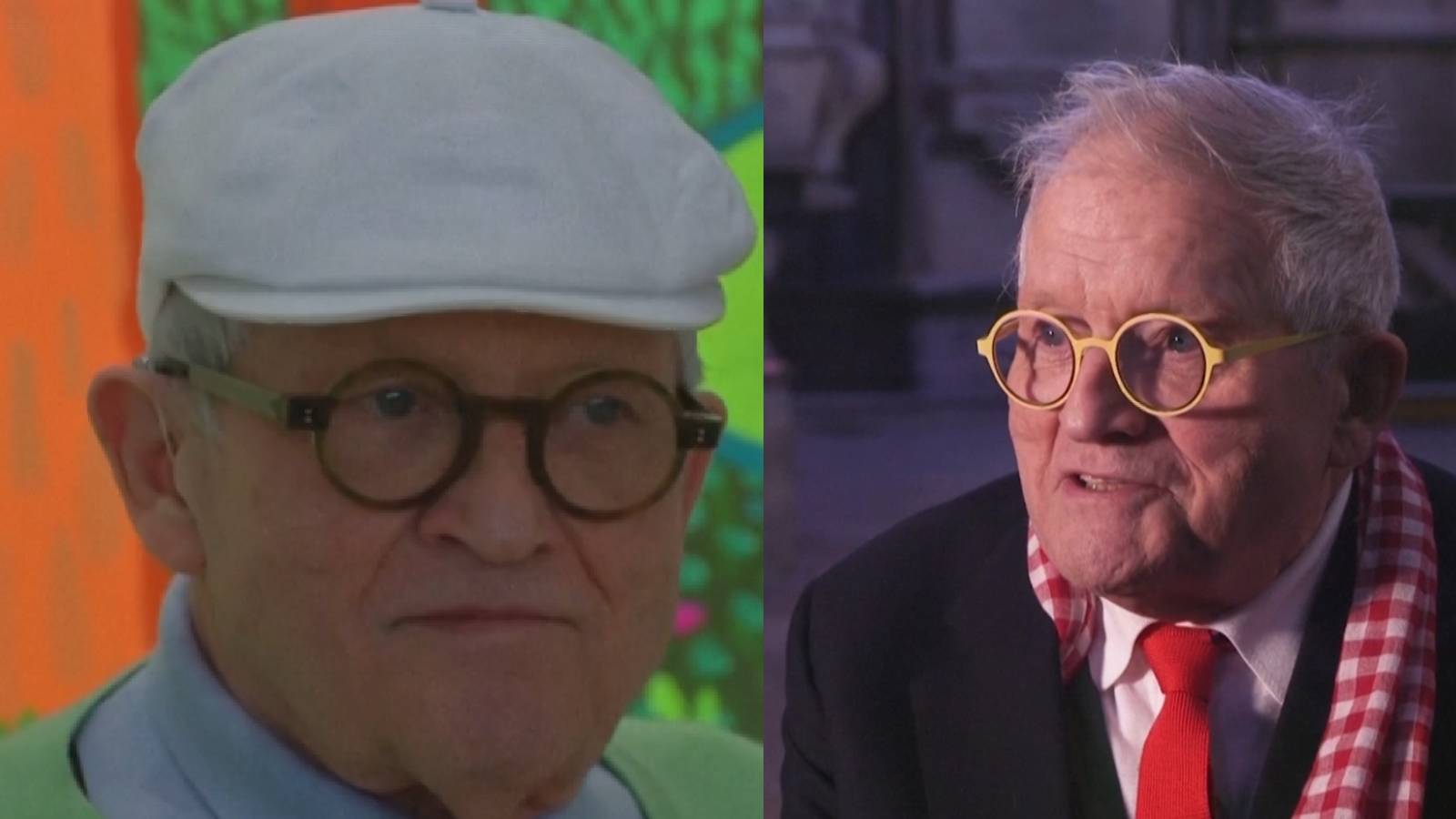


Renowned British artist David Hockney, whose vibrant paintings and colourful depictions of California made him one of the most influential artists of the 20th and 21st centuries, died on Thursday at the age of 88. No cause of death was announced.
He celebrated bold colors and lights in his paintings which made him a standout. Hockney spent a lifetime exploring visual beauty through art. Born in the northern English city of Bradford to an accountancy clerk father and a deeply religious Methodist mother - Hockney rebelled against convention. He was fascinated by Hollywood movies and relocated to Los Angeles to bring light and colour to the canvas.
His paintings were his language to rebel against artistic and social conventions. At a time when homosexuality was still punishable by imprisonment in Britain, Hockney gave provocative titles to his abstract works, including Going to be a Queen for Tonight and Doll Boy.
In 1959, he moved to London to continue his studies and quickly became a rising figure in Britain’s pop art movement. Hockney soon became associated with the energy and glamour of the Swinging Sixties, recognised as much for his distinctive appearance — thick-rimmed glasses, bleached hair and flamboyant jackets — as for his artwork.
Seeking greater artistic freedom and inspiration, Hockney travelled to New York in 1961, where he befriended pop art icon Andy Warhol. Three years later, he relocated to California, where he created some of his most famous works. His paintings of swimming pools, modern homes and sunlit scenes captured the spirit of Southern California and became defining images of contemporary art. Though some critics dismissed his work as superficial, Hockney went on to achieve international acclaim and became one of Britain’s most celebrated living artists.
In the late 1990s, Hockney increasingly returned to Yorkshire, inspired by visits to his ageing mother and encouragement from a terminally ill friend to paint the local countryside. He later moved to the coastal town of Bridlington, where he entered one of the most productive periods of his career. Over the next decade, he painted landscapes of bare winter trees, rolling hills and changing seasons across the Yorkshire Wolds.
Despite his advancing age, Hockney continuously experimented with new techniques and technology. He embraced faxes, digital tools and iPads as artistic mediums and later created a stained-glass window for Westminster Abbey in London.
In 2018, Hockney moved to a farmhouse in Normandy, France, where he continued painting landscapes and flowers from his garden.
Widely regarded as one of the greatest British artists of modern times, Hockney remained dedicated to his work until his final years, maintaining a relentless creative spirit that defined his decades-long career.
(With agency inputs from Reuters)