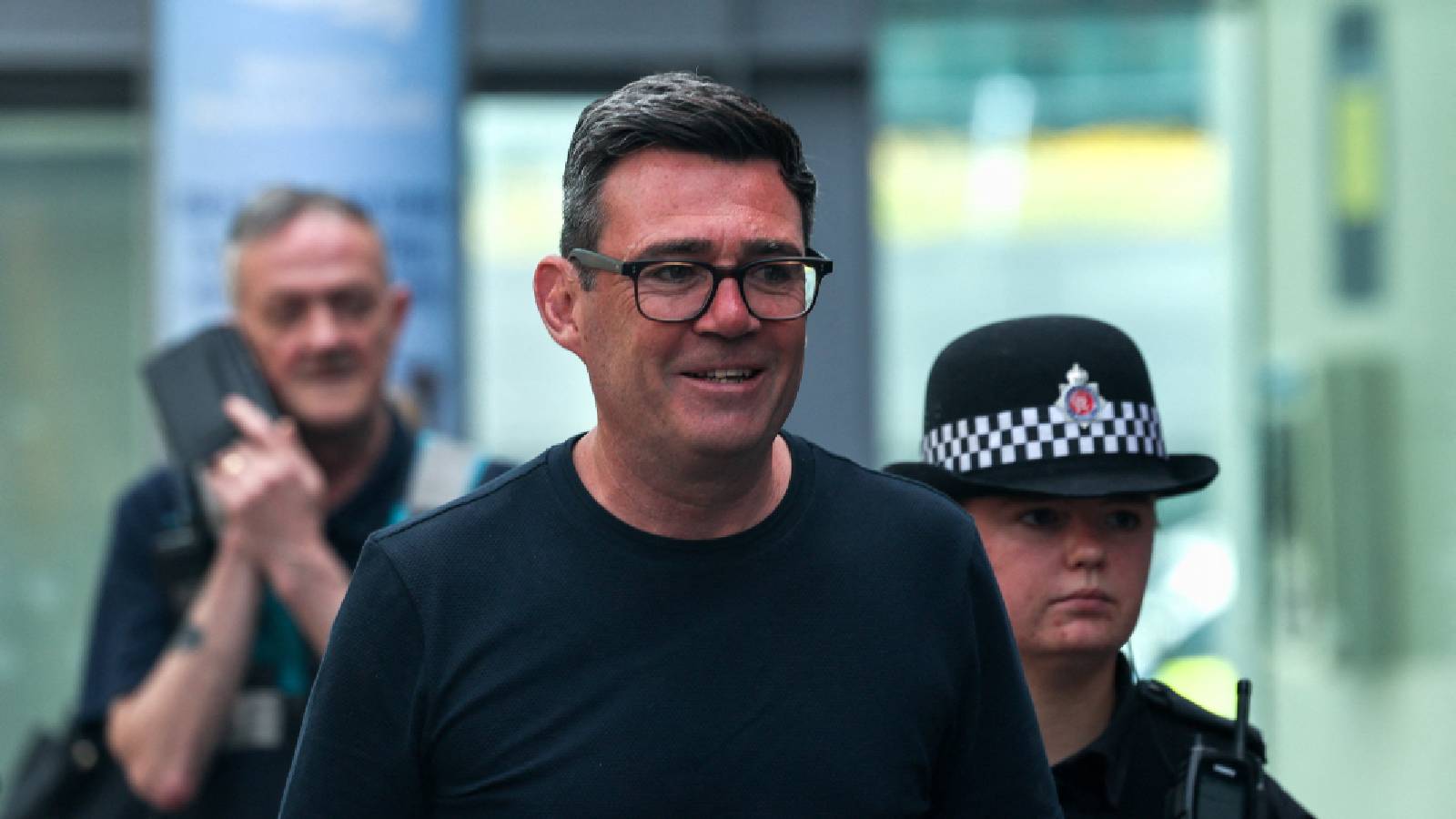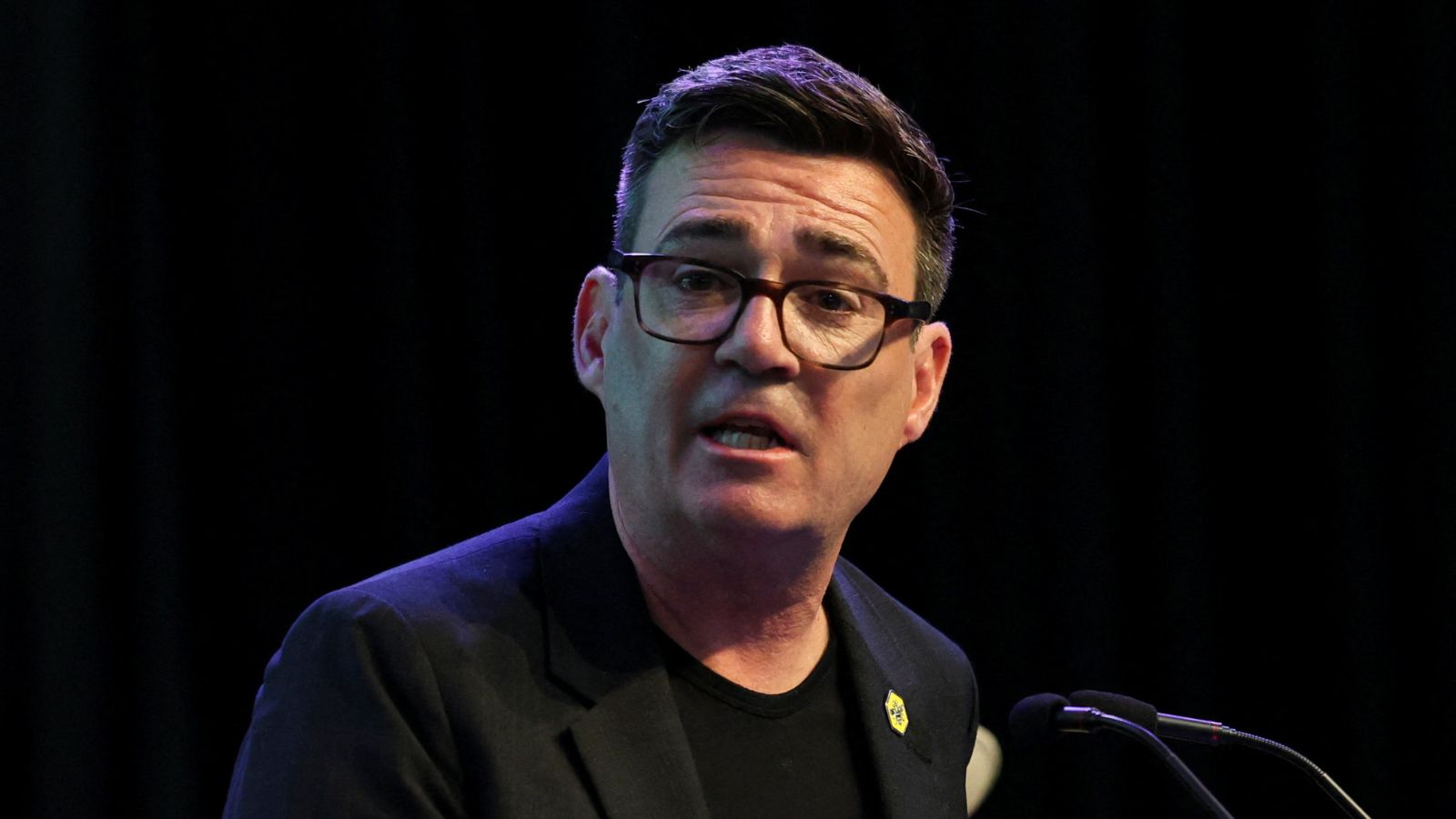


London: Andy Burnham, Britain's newest lawmaker and the frontrunner to become the country's next prime minister, met Labour colleagues on Tuesday ahead of a leadership contest in which he may be the only contender.
Burnham emerged as the favourite to replace Prime Minister Keir Starmer, who announced on Monday that he will step down within weeks after two years in office marked by missteps and declining support within the party and among the public.
Britain's parliamentary system allows governing parties to replace their leaders, and therefore the prime minister, without holding a general election. The next general election does not have to be held until 2029.
Nominations for the Labour leadership will open on July 9 and close a week later. If Burnham is the only contender, he could be prime minister by July 17. If there is a contest, the winner is expected to be in place before Parliament returns on Sept. 1.
Burnham's position was strengthened after former Health Secretary Wes Streeting, who was considered his main rival, announced his support on Monday.
A former Cabinet minister and mayor of Greater Manchester since 2017, Burnham won a special election last week to return to Parliament with the stated aim of challenging Starmer for the Labour leadership.
Burnham earned popularity as mayor by overseeing a period of rapid regeneration in Manchester and has pledged to bring his "Manchesterism" model to the national stage. Many Labour members believe his communication skills and public appeal could help revive the party's fortunes.
However, Burnham has yet to outline his policies on key issues such as the economy, foreign affairs and defence. He is expected to make a speech next week detailing some of his economic plans.
Potential candidates need the support of at least 81 Labour lawmakers to enter the contest. Former Armed Forces Minister Al Carns has suggested he may run but has not made a decision. Some Labour members have also suggested senior Cabinet minister Darren Jones should enter the race, though he has yet to comment.
Many within the party believe a contested leadership race would prolong political uncertainty and expose Labour's internal divisions.
Starmer announced his resignation after acknowledging that the Labour Party no longer believed he was best placed to lead it into the next general election. He led Labour to a landslide election victory in July 2024, but his popularity and that of the party plummeted sharply during his time in office.
Starmer struggled to deliver promised economic growth, improve public services and ease the cost-of-living. Labour also lost support to the Green Party, while Nigel Farage-led Reform UK continued to lead national opinion polls.