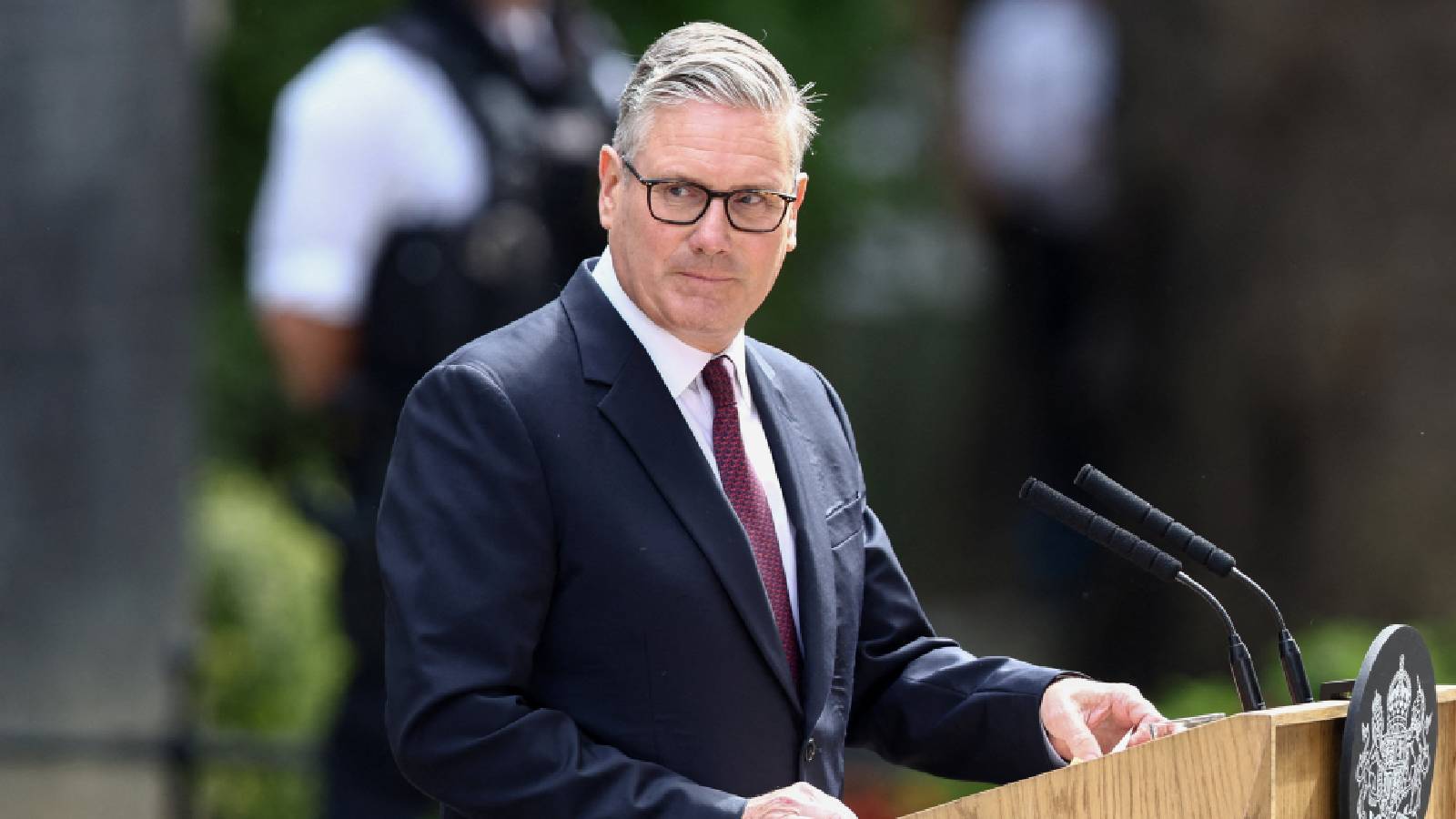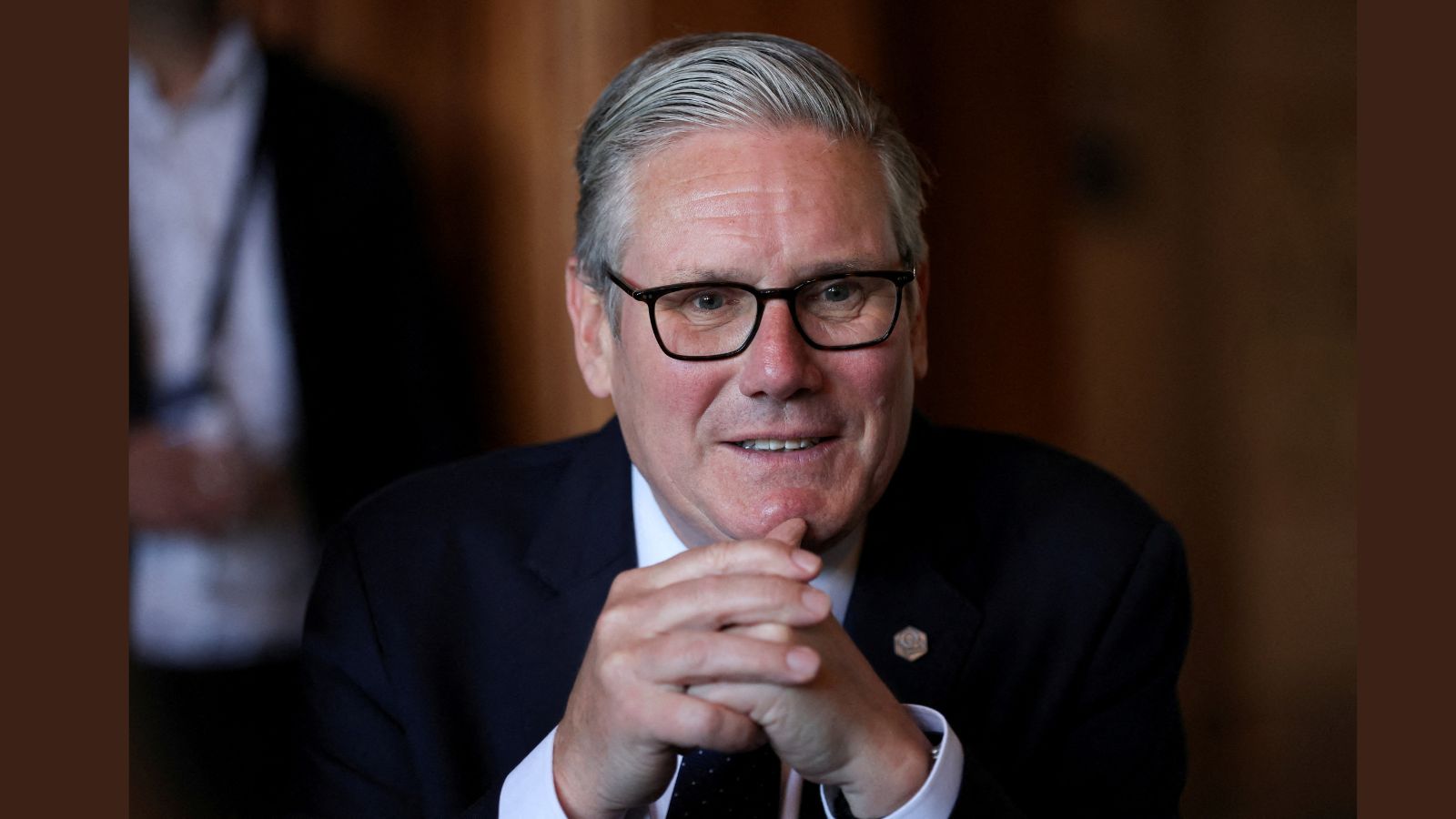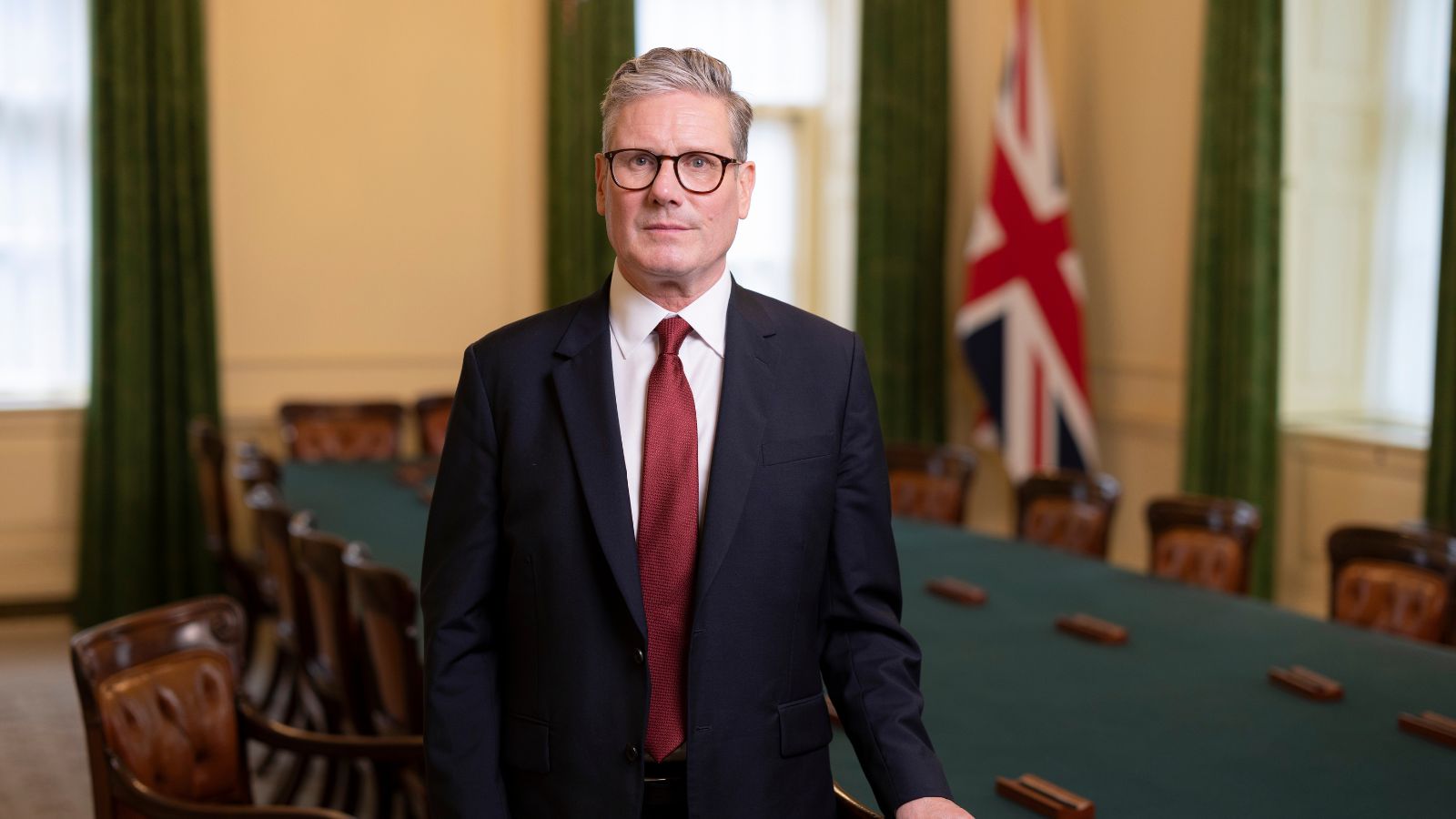


London: British Prime Minister Keir Starmer announced on Monday that he will resign from his post and as the leader of the Labour Party. He said a new leader will be in place before Parliament returns in September. His resignation will pave the way for Britain’s seventh prime minister in 10 years.
Starmer became Britain's prime minister in July 2024 after leading the Labour Party to a landslide general election victory over Rishi Sunak's Conservative Party, ending 14 years of Conservative rule.
The announcement comes less than two years after he took office as prime minister. Starmer said it had become clear that members of his party wanted new leadership. He acknowledged that the party no longer believed he was the best person to lead it moving forward.
Pressure on Starmer had been building for months as the party’s popularity declined. His personal approval ratings had also fallen to the lowest for any British leader.
During his tenure as prime minister, Starmer focused on boosting economic growth, improving public services and restoring political stability after years of Conservative rule. He also sought closer cooperation with European allies while continuing to support Ukraine.
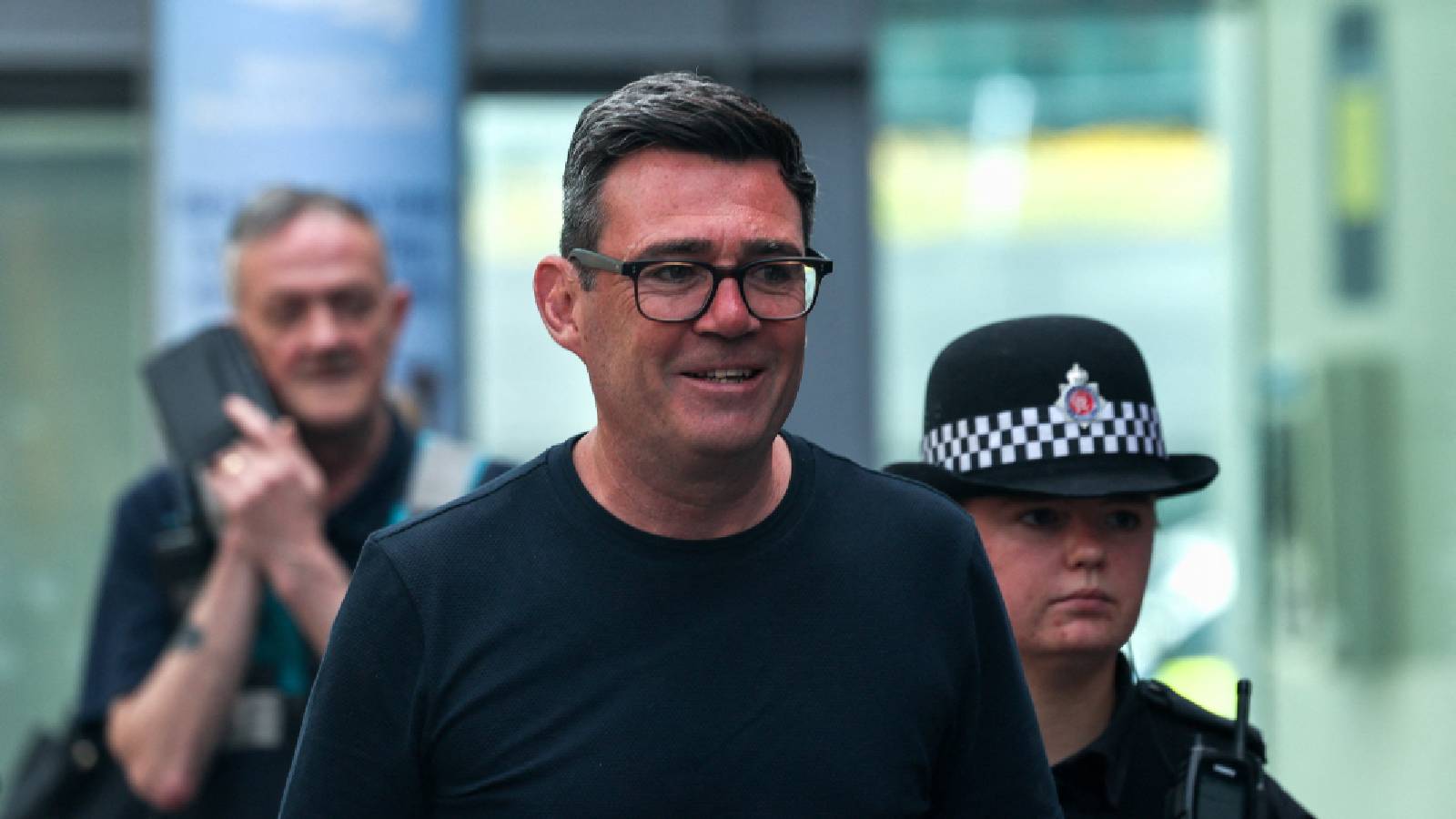
The pressure intensified on Friday after Greater Manchester Mayor Andy Burnham decisively won a parliamentary election, defeating a candidate from Nigel Farage’s Reform UK party. The Reform UK party has led national opinion polls for more than a year.
Burnham’s victory renewed hopes among Labour MPs that he could transform the party’s fortunes, which had declined under Starmer.
Nominations to replace Starmer as Labour leader will open on July 9. Starmer will remain in office until a new leader is chosen. Burnham is the frontrunner to succeed Starmer. He has yet to outline his approach to key issues such as foreign policy, the economy and defence.
Whoever replaces Starmer will inherit significant economic challenges, including high government borrowing costs, weak economic growth and pressure to increase defence spending.